Our company operates a tribodiagnostic laboratory where the following analyses of lubricants and process fluids can be performed.
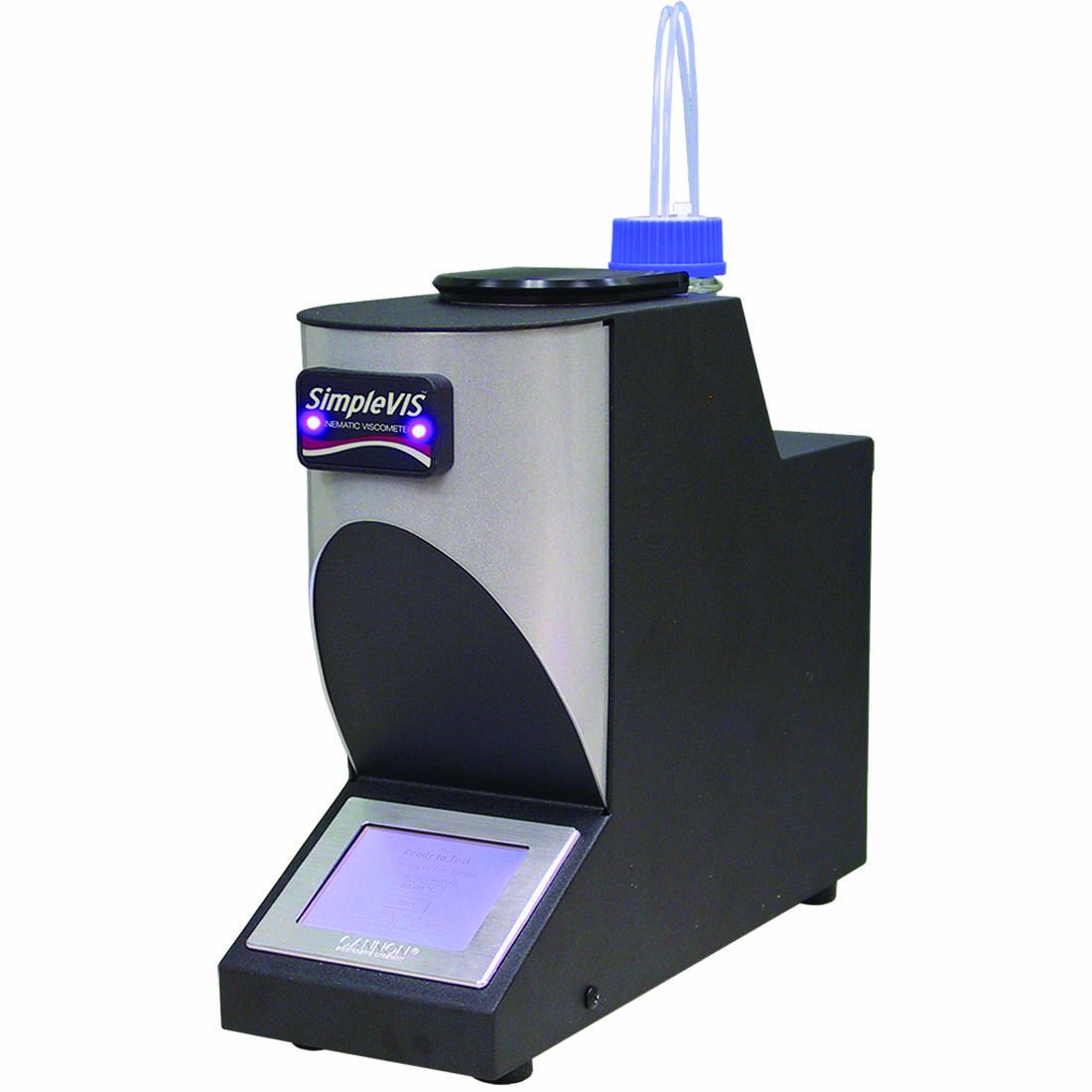
01 Determination of Kinematic Viscosity at 40 °C and 100 °C


Kinematic viscosity expresses the internal friction of a fluid. It is a fundamental oil parameter and determines the ISO VG oil viscosity grade. Every machine has a manufacturer-recommended oil viscosity grade for use. Oil degradation leads to viscosity changes, manifesting as a decrease or increase in viscosity beyond the tolerance limit of ±15%. Increased viscosity causes elevated lubrication temperatures, sluggish valve control, and pump cavitation. Decreased viscosity leads to insufficient lubrication, resulting in excessive wear of friction pairs, increased leakage, and impaired control and precision.
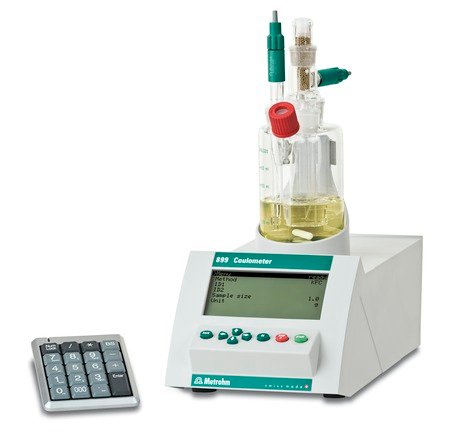
02 Determination of Water Content by Coulometric Karl Fischer Method
Water in oil and machinery systems is undesirable. The presence of water in oil causes the formation of water emulsions, impairs the oil's lubricating properties, and accelerates its chemical degradation. It also causes additive leaching and increases the acid number, leading to corrosion of hydraulic systems. Each type of oil has a recommended maximum water content, expressed in ppm.
03 Determination of Solid Mechanical Contaminants according to NAS 1638 / ISO 4406 by Microscopy with Automated Particle Counting
Mechanical impurities in oils are undesirable. They enter the oil from the external environment or through the wear of hydraulic system components. Depending on the type and application, oils have a recommended maximum content of mechanical contaminants to ensure the long-term service life of machinery components and the oil itself, while minimizing failures caused by excessive particulate matter. The solid particle content in oils is determined by a cleanliness code that considers the number and size of particles according to NAS 1638 or ISO 4406 methodologies, used primarily for hydraulic oils.
04 Gravimetric Determination of Total Mechanical Contaminant Content
The gravimetric method is used when the contaminant content in the oil or process fluid is too high to distinguish individual particles under a microscope. The gravimetric method can also measure the content of oil oxidation-thermal degradation products (soft sludge) present in the oil. This method is particularly applicable for determining the mechanical contaminant content of process fluids (rinse waters, emulsions, coolants, etc.), where a higher contaminant content is permitted compared to hydraulic oils.
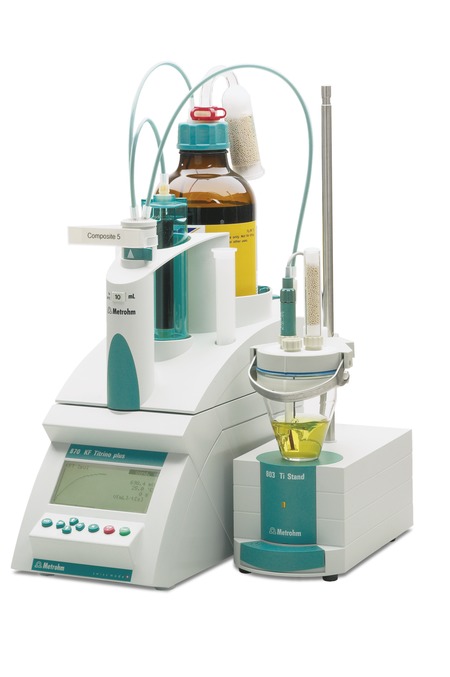
05 Potentiometric Determination of Total Acid Number (TAN)
The acid number indicates the proportion of acidic products in the oil. The acid number increases with oil degradation (aging). Oil aging leads to reduced lubricating properties, which negatively impacts the wear of hydraulic system components. An increased acid number also increases the risk of corrosion of metal parts in hydraulic systems. Each type of oil has a recommended maximum acidity value suitable for its safe operation.
06 Potentiometric Determination of Total Base Number (TBN)
TBN is the so-called alkaline reserve, whose role is to neutralize acidic substances formed by the degradation of engine oil. The test is intended for engine oils. If the TBN drops below the recommended value, the oil charge must be replaced.
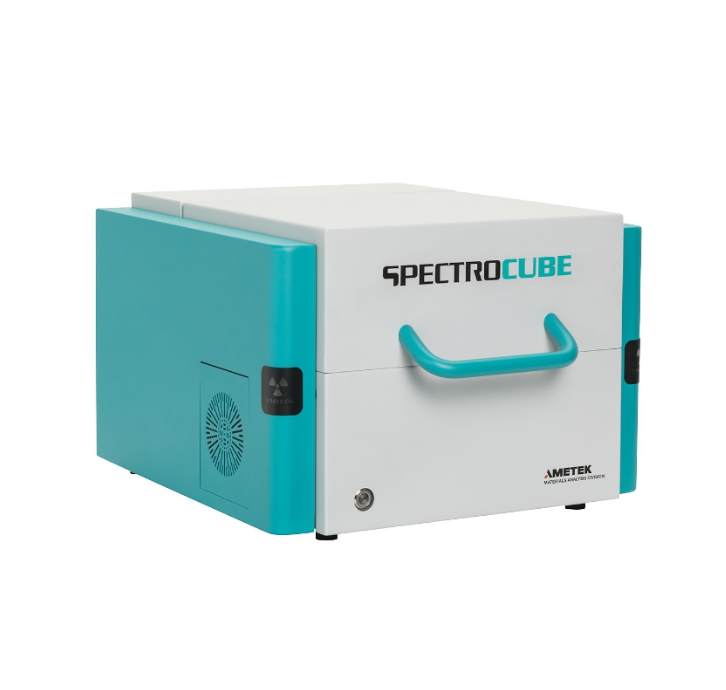
07 Determination of Wear Metals and Additive Elements by Energy Dispersive X-ray Fluorescence (ED-XRF) Spectroscopy
The determination of wear metals in lubricants (Fe, Cr, Ni, Al, Cu, Pb, Sn, Si) and additive elements (Na, K, B, Mg, Ca, Ba, P, Zn) assists in evaluating oil condition and identifying faulty friction nodes in hydraulic systems. If an increased amount of a specific wear metal element is found in the oil, it is possible to specify more precisely which part of the hydraulic system it originates from, thereby eliminating the failure of that friction node. Monitoring the content of additive-specific elements helps predict the remaining service life of the oil charge.
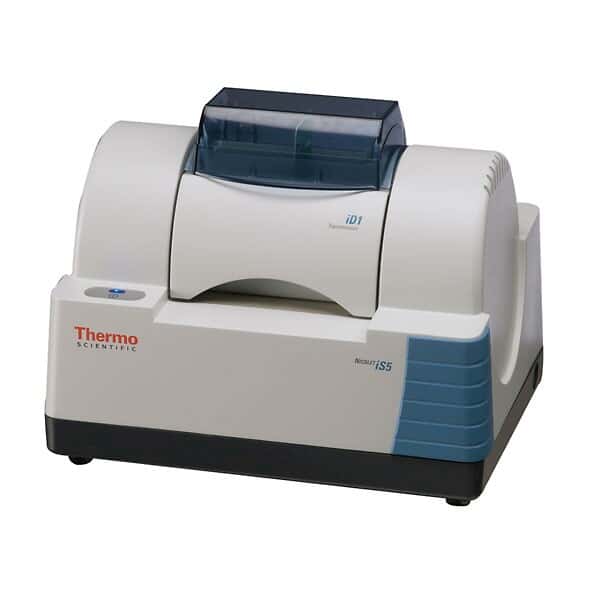
08 Infrared Spectrometry
Infrared spectrometry is the fundamental method for determining and monitoring the chemical degradation of oil. This method can detect an increase in oxidation, nitration, and sulfonation products, thermal degradation (overheating), and a decrease in antioxidant content. It is also possible to identify an unknown oil by comparing it with reference oil samples or to detect the presence of foreign substances when different types of oils are mixed. In engine oil analysis, it can determine soot content and the presence of fuel, water, and glycol. The method is also used for long-term oil monitoring to determine the rate of oil degradation over the years.
Recommended Analyses for Individual Types of Process Fluids and Oils
| Analysis | Hydraulic Oils | Turbine Oils | Gear Oils | Compressor Oils | Engine Oils | Water-based Process Fluids |
|---|---|---|---|---|---|---|
| Cleanliness Code NAS 1638 / ISO 4406 | ✓ | ✓ | ✓ | ✓ | - | - |
| Gravimetric Contaminant Content | - | - | ✓ | - | ✓ | ✓ |
| Kinematic Viscosity 40 °C | ✓ | ✓ | ✓ | ✓ | ✓ | - |
| Kinematic Viscosity 100 °C | - | - | ✓ | ✓ | ✓ | - |
| Coulometric Water Content | ✓ | ✓ | ✓ | ✓ | - | - |
| IR Spectrum Water Content | - | - | - | - | ✓ | - |
| Infrared Spectrometry (Degradation, Antioxidant) | ✓ | ✓ | ✓ | ✓ | ✓ | - |
| TAN | ✓ | ✓ | - | ✓ | ✓ | - |
| TBN | - | - | - | - | ✓ | - |
| ED-XRF Element Content | ✓ | ✓ | ✓ | ✓ | ✓ | ✓ |
Photo Gallery