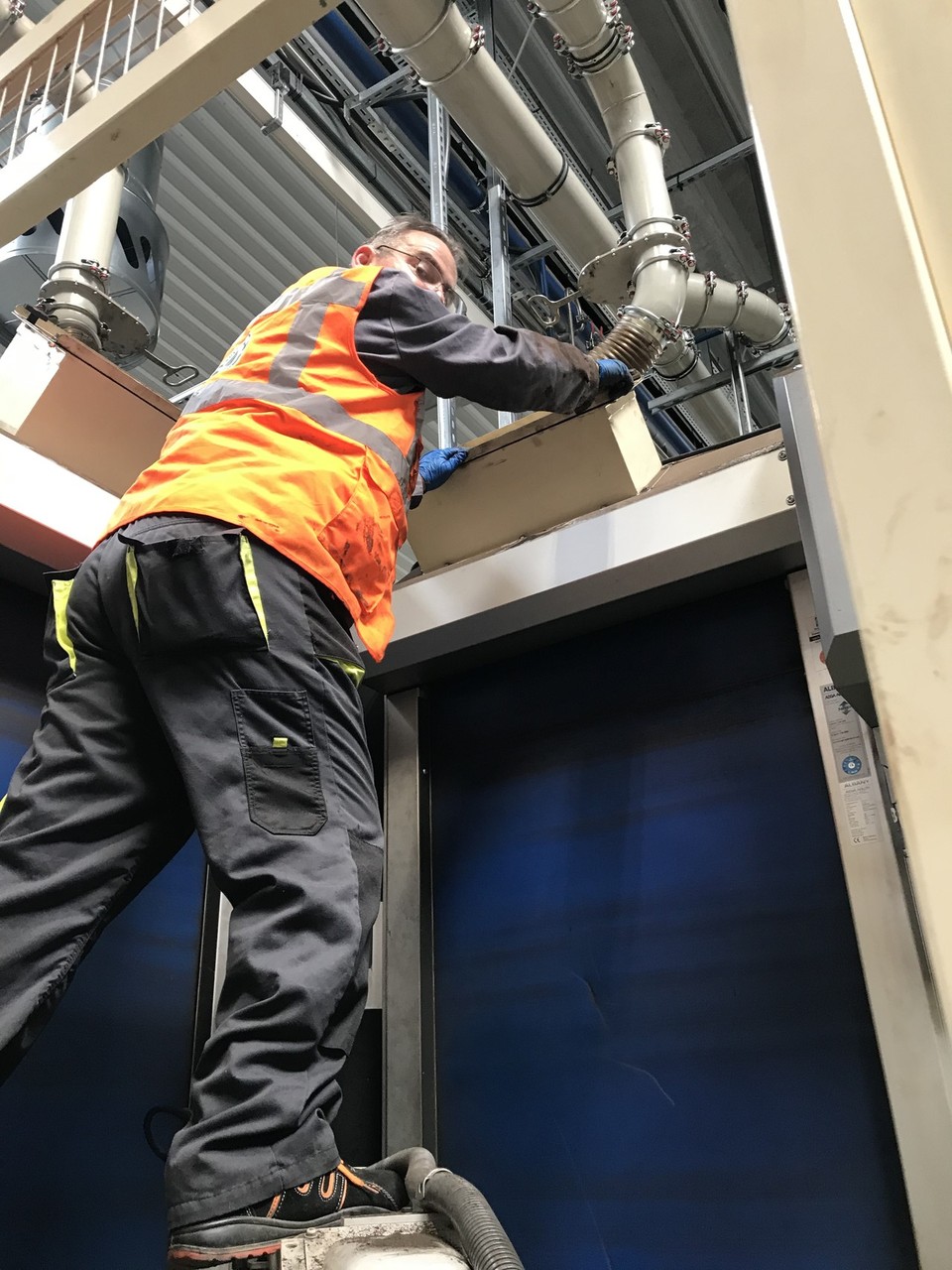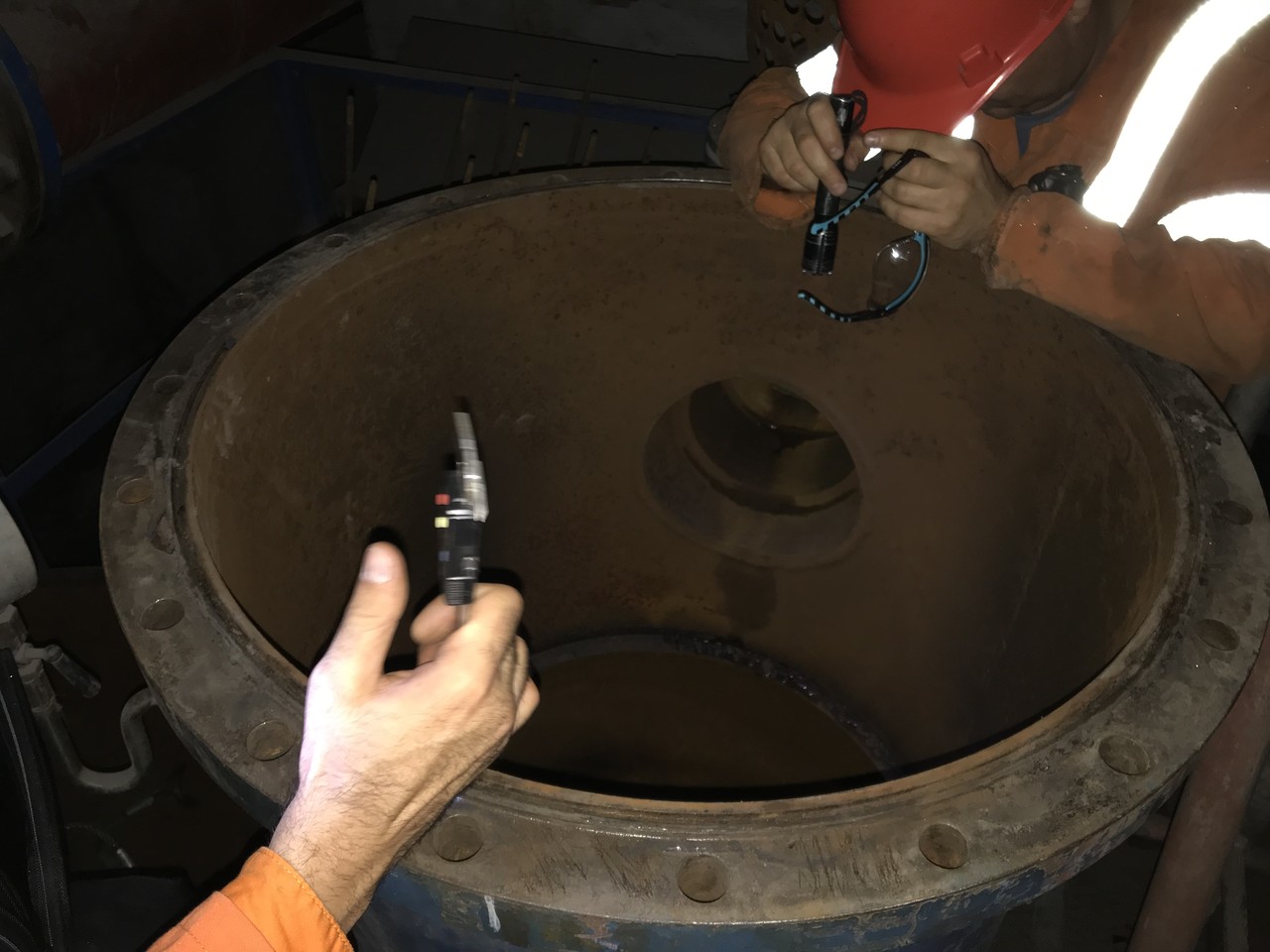
Production Technology Audit
Audit from the perspective of primary filtration and its efficiency for oil, industrial fluids, air, and dust.
Communication with Operations
Communication with maintenance and production regarding problematic areas of the production process.
Clear Recommendations
Processing of collected data into clear recommendations for both technical and management teams.
Filter Management
Filter Management Concept
We present all collected information in a clear format to provide precise data for technical personnel responsible for operations as well as for quality decision-making by management.
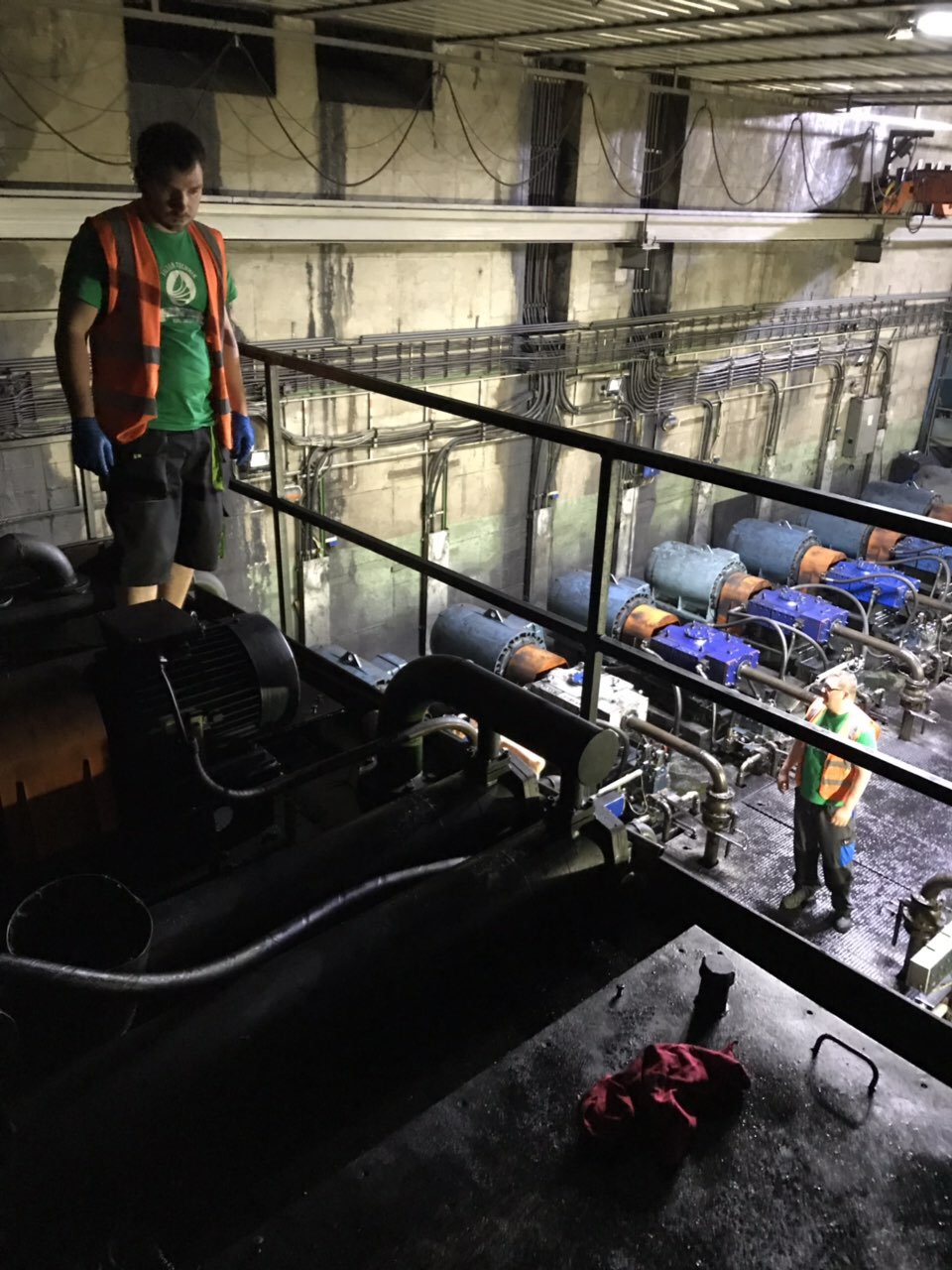
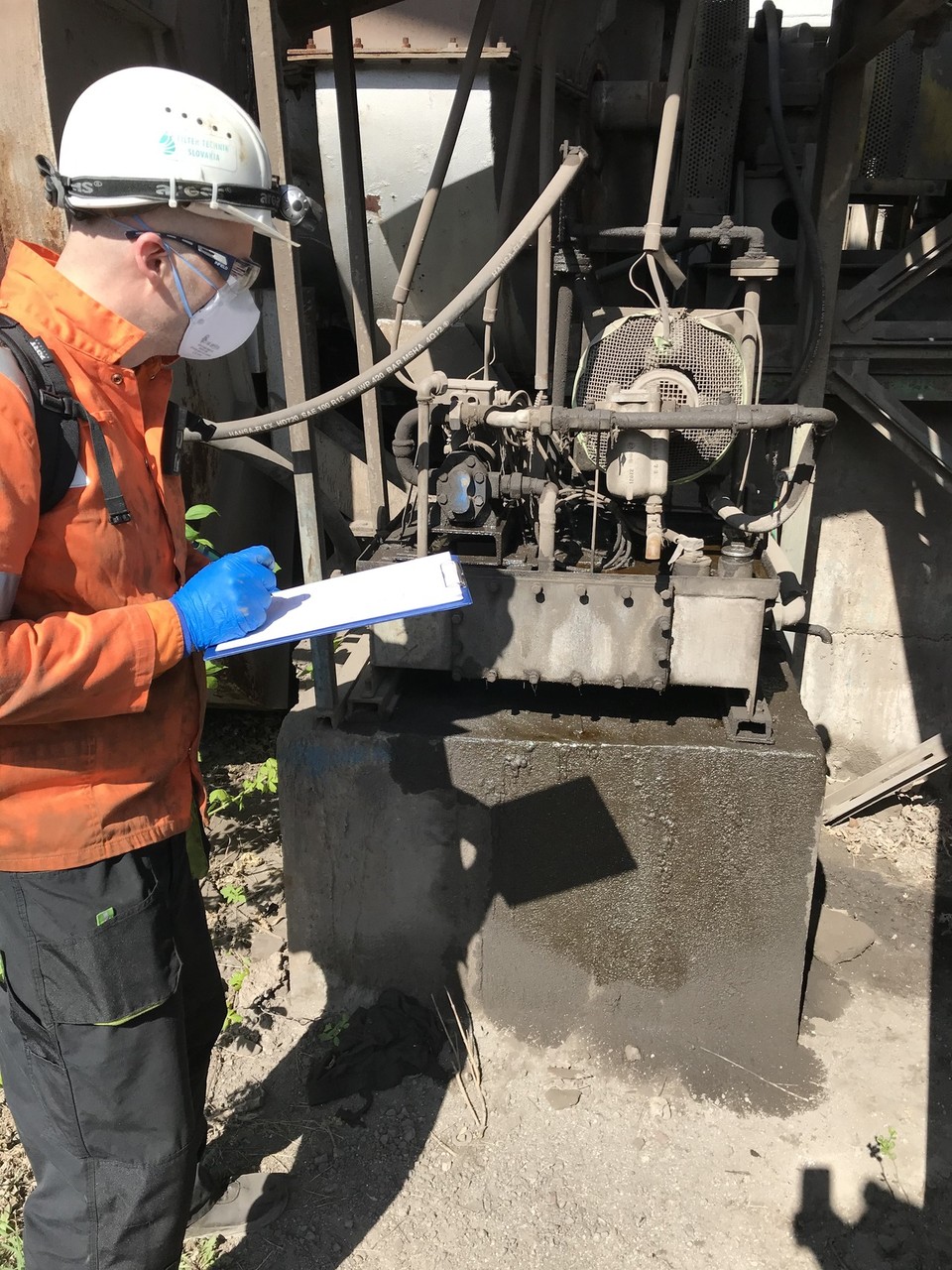
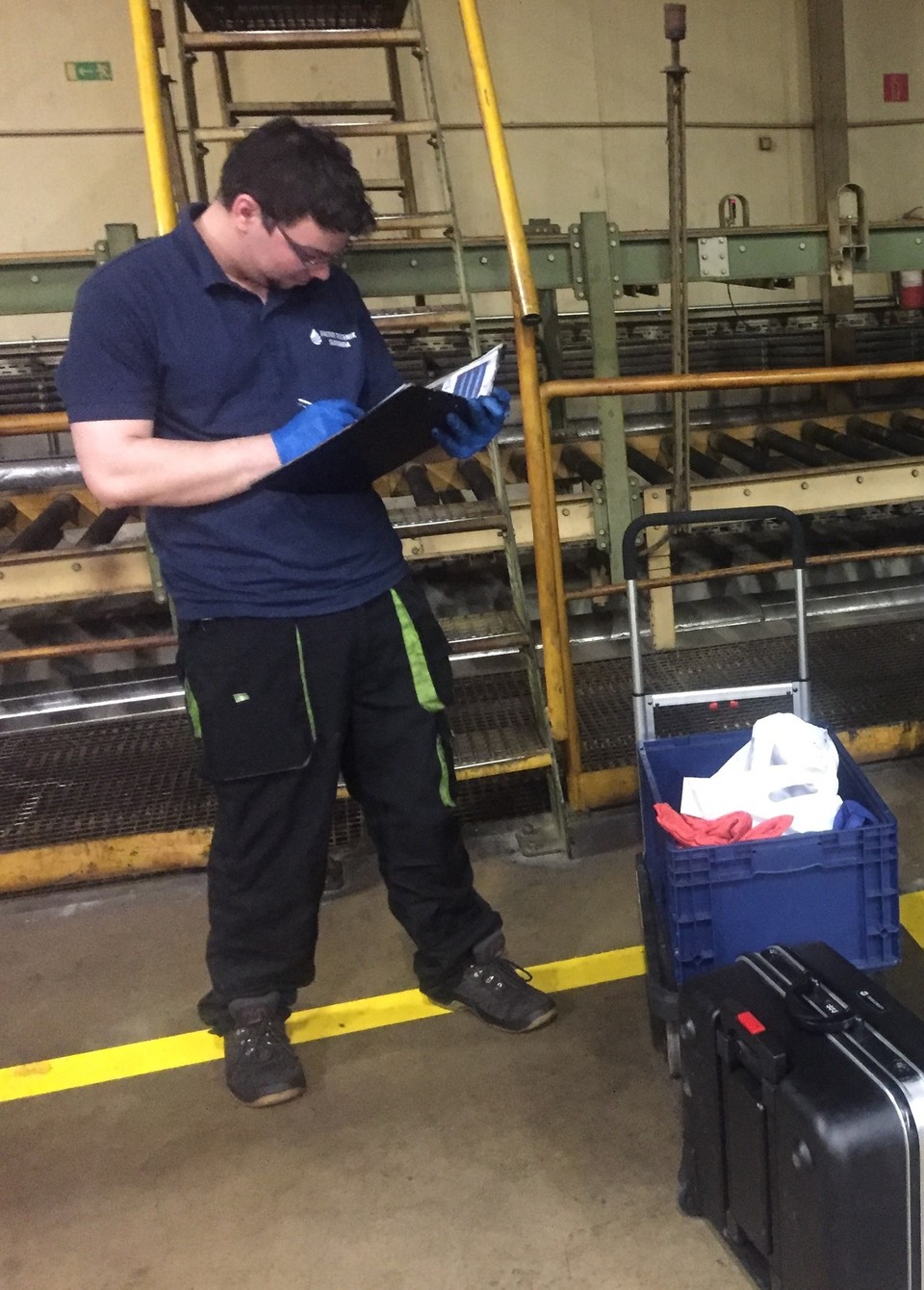
We conduct the audit directly on-site. Machines have specific filter requirements, so we also inspect peripheral equipment and assess all details that may affect the quality of the final solution and its filtration performance.
Analysis of technical and diagnostic results enables us to verify filtration efficiency and propose appropriate optimization.
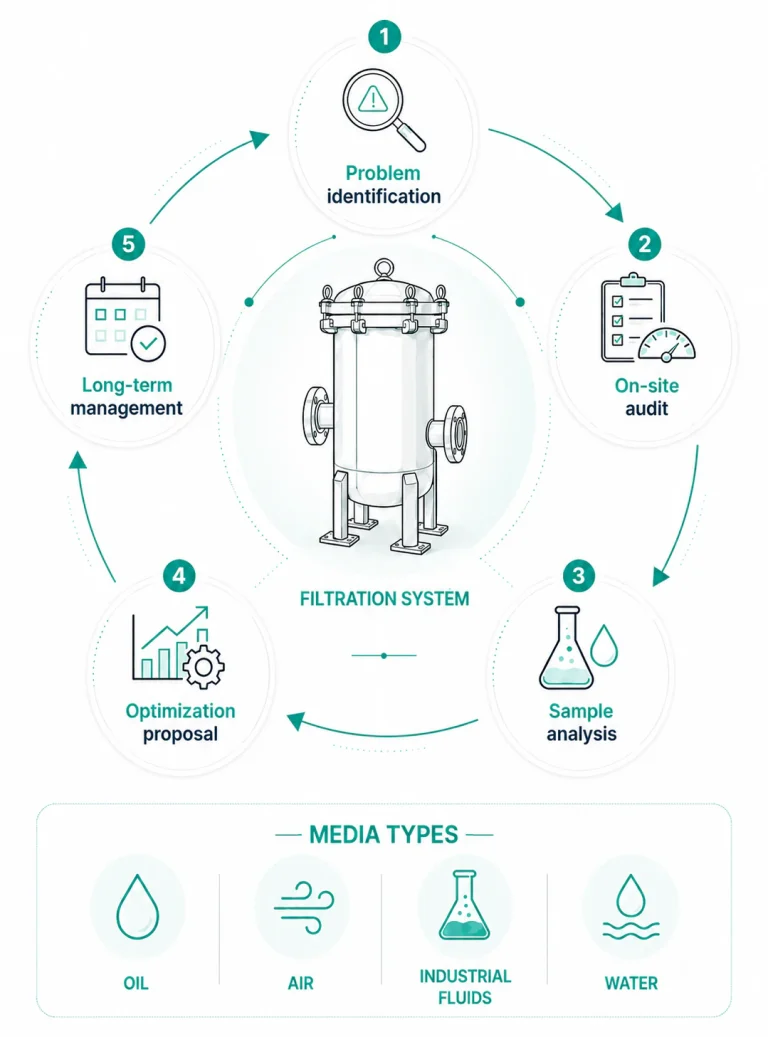
Filtration System Audit Process
Identification of Problem Areas
We determine the current state of filtration, frequent filter changes, downtime, and areas with potential for savings.
Filtration System Audit Directly in Operations
We assess the state of filtration in production for oils, industrial fluids, air, and dust.
Tribotechnical and Laboratory Analysis
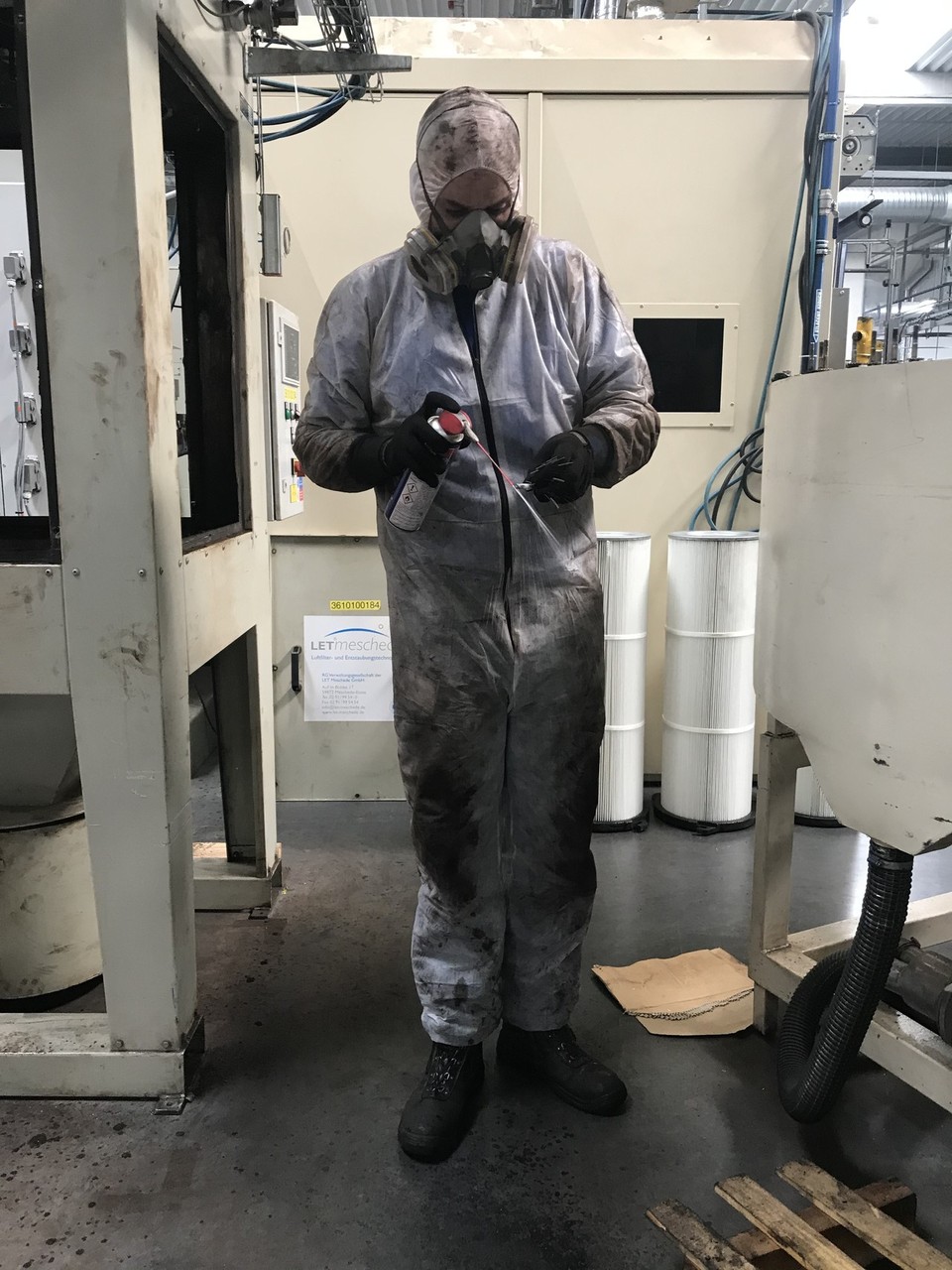
As needed, we supplement with laboratory or tribotechnical analysis of oils and operating fluids.
Optimization Proposal
We prepare recommendations to improve filtration efficiency, reduce costs, and stabilize the process.
Long-Term Filter Management
We establish filter selection, service regime, and filtration control for reliable long-term operation.

Using the Correct Filters
Filter selection based on medium, load, cleanliness, and operational service regime.

Filtration Design and Optimization
Solution configuration aimed at reducing downtime, extending service life, and stabilizing medium cleanliness.

Tribotechnical Analysis
Laboratory evaluation of oils and process fluids as a basis for decision-making.
Laboratory Scope
Tribotechnical Analysis Parameters
We configure the specific scope of tests according to the type of medium and operation. The results serve as a precise basis for decisions regarding filtration, maintenance, or medium replacement.
Mechanical Contaminants
cleanliness classes NAS 1638, ISO 4406 + photo
Kinematic Viscosity
Water Content by KF
IR Spectrum
Water Content Colorimetrically KF
Acid Number Potentiometrically
Order Analysis
Order Tribotechnical Analysis
We will verify the condition of the lubricant or process fluid and recommend a specific next step for maintenance, filtration, or medium replacement.
What the Analysis Includes
- selection of appropriate test scope based on medium and operation,
- evaluation of lubricant or process fluid sample,
- assessment of cleanliness, water content, viscosity, and medium degradation,
- determination of wear metals and contamination causes as needed,
- clear recommendation of next steps for maintenance.
Photo Gallery